

OUR CURRENT FUNDED RESEARCH
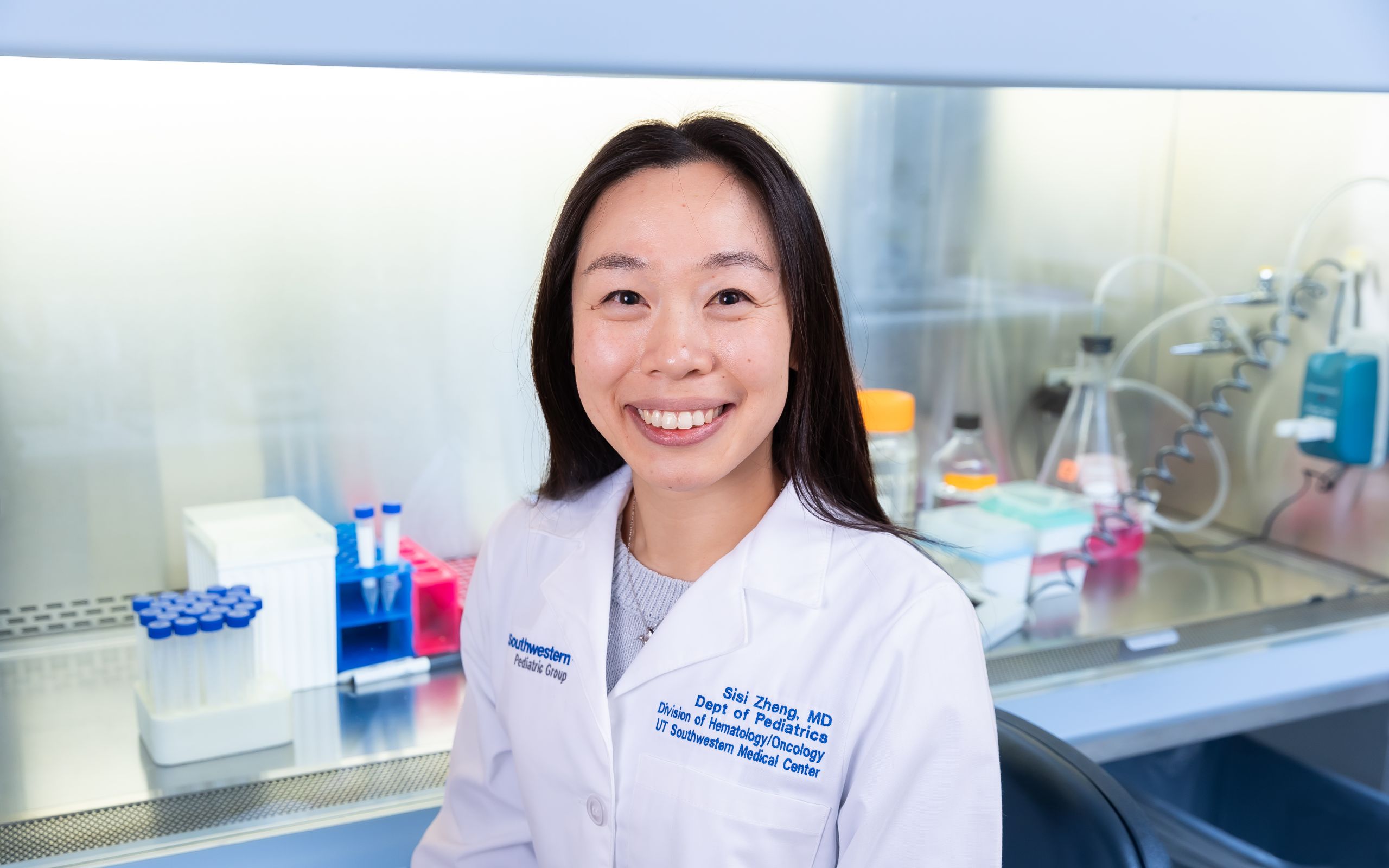 Sisi Zheng, MD
Assistant Professor
Dept. of Pediatrics, Division of Hematology/Oncology
The University of Texas Southwestern medical center
GRANT AWARDED: Robert G. Owens Memorial Leukemia Grant
RESEARCH: Investigating Cell-Extrinsic Mechanisms of Leukemia Development in Pediatric Bone Marrow Failure Syndrome
Children with an inherited syndrome called dyskeratosis congenita (DKC) are almost 200 times more likely to develop AML. DKC is caused by defects in genes that protect the ends of our chromosomes and safeguard our genome. These defects reshape the blood cells and the environment in which the blood cells are produced. Over time, some blood cells can acquire pre-leukemic mutations and begin to outgrow normal blood cells, a process that can evolve into AML. How changes in the bone marrow environment contribute to this process is still poorly understood. Our research shows that DKC mutations can trigger ancient viral-like DNA elements in bone marrow stromal cells, leading to an inflammatory reaction in the bone marrow environment that could potentially promote AML. By revealing how defects in genome integrity reshape the bone-marrow environment, this research could lead to new ways to detect leukemia risk early and design better treatments for a vulnerable population of children who are at high risk for developing AML.
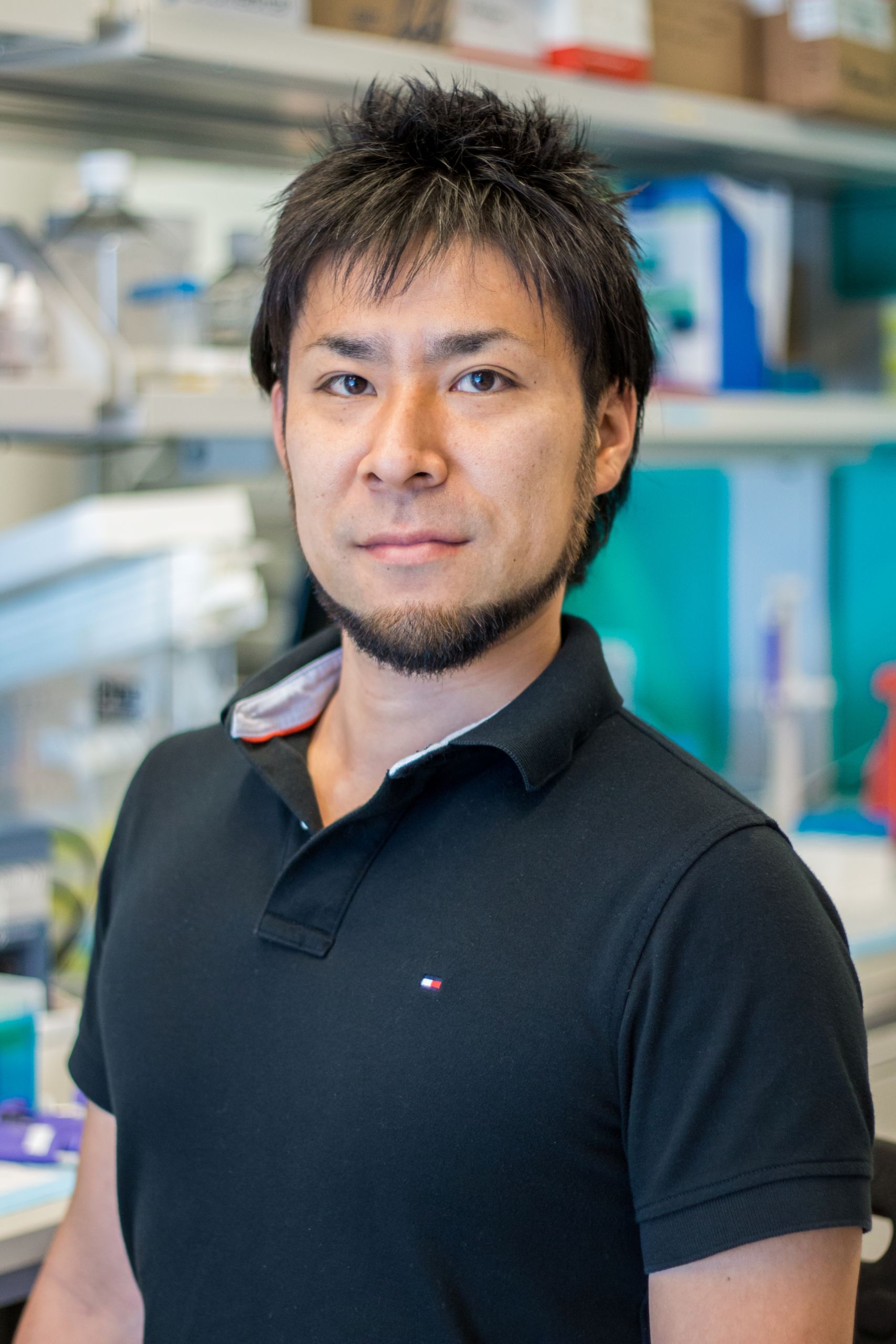 Norihiro Watanabe, Phd
Assistant Professor
Division of Hematology/Oncology
Baylor College of Medicine
GRANT AWARDED: John Voight Memorial Leukemia Grant
RESEARCH: Allo-rejection resistant off-the-shelf CAR=Vd2 T Cell therapy for pediatric AML
Acute myeloid leukemia (AML) is the second most common type of leukemia in children and remains deadly in patients with treatment-resistant disease. A novel type of therapy where a patient’s own immune T cells are engineered in a laboratory with a cancer-fighting protein called a chimeric antigen receptor, or CAR, has shown great promise in patients with a different type of leukemia that arises from B cells. However, the same approach has not yet been successful in treating AML. We will use a special type of T cell called a Vd2 T cell, which uses multiple unique mechanisms to kill cancer cells. We have enhanced the function of Vd2 T cells by changing the way we grow them in the lab and by introducing a gene that stimulates their growth and promotes tumor-killing activity.
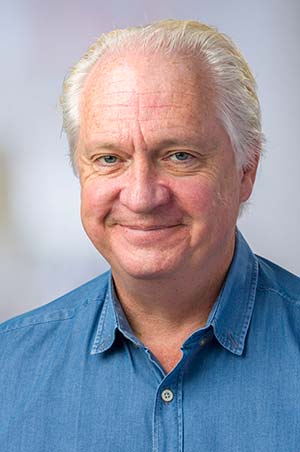 Eric Holland, md, PhD
Professor
Department of Human Biology
Fred Hutchison Cancer Center
GRANT AWARDED: Science is the cure Grant
RESEARCH: Determining Long-Term Effects of Multikinase Inhibition on Fusion-Driven Gliomas
Pediatric high-grade gliomas (pHGG) are rare, aggressive brain tumors often driven by ALK or ROS1 gene fusions. While kinase inhibitors effectively target these fusions in lung cancer, standard treatments have failed to control these tumors in the brain. Lorlatinib is now being tested in children with pHGG in a new national clinical trial. However, because these tumors are so rare, it will take more than two years just to enroll enough patients, and during that time, many of these children will die waiting for access to effective treatment. We have developed a special brain tumor model that is capable of generating more tumors in a single month than the clinical trial will enroll in three years. Our early data are compelling: Lorlatinib outperforms current standard-of-care treatments, and may even cure a subset of subjects. In other long-term survivors, residual ALK+ tumor cells appear to hide in perivascular niches and interact with tumor-associated macrophages, enabling a shift from ALK to PDGFR signaling, revealing a new drug target we aim to validate through further studies.
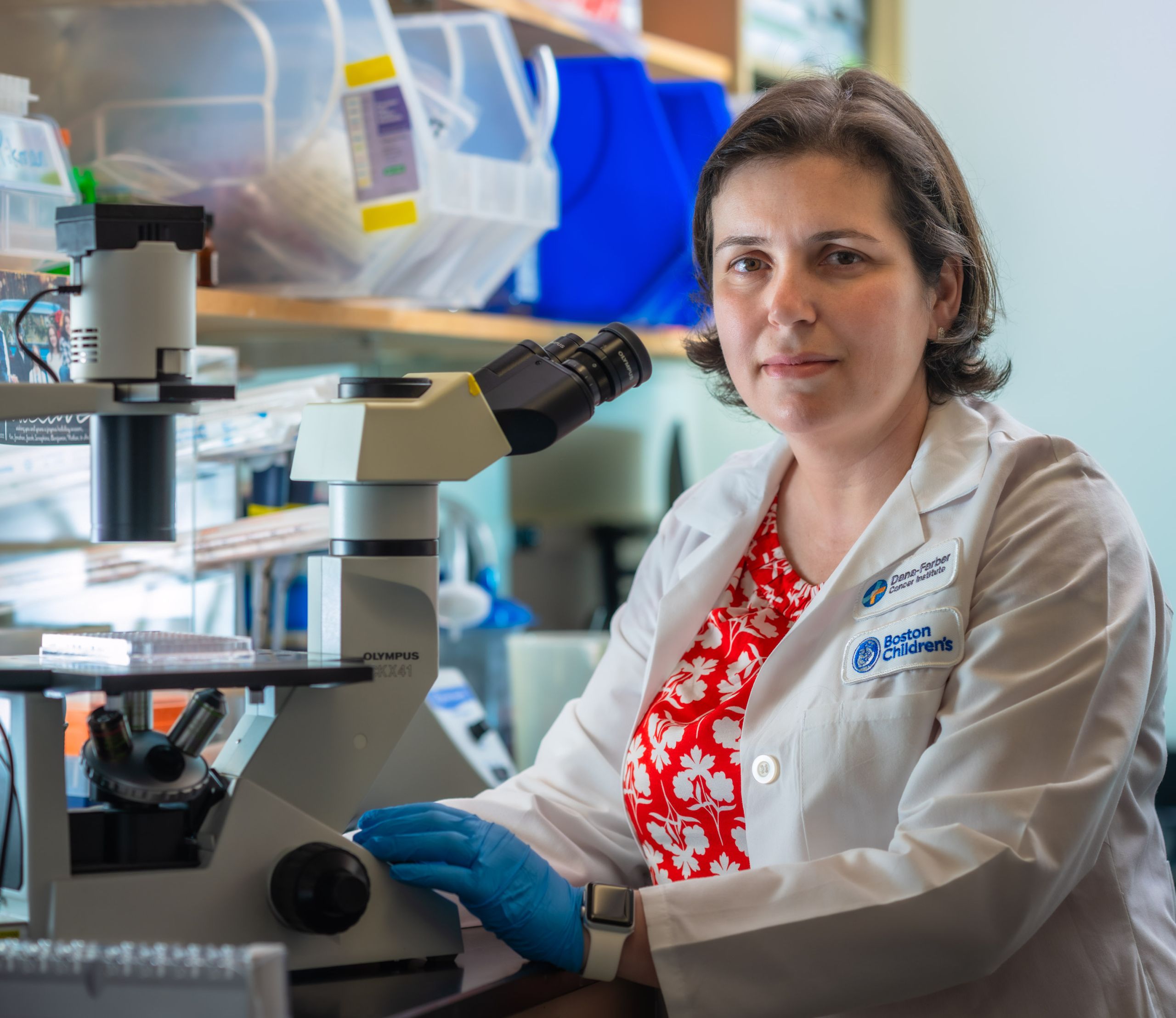 yana pikman, MD
Assistant Professor & Attending Physician
Department of Pediatric Oncology
Dana-Farber Cancer Institute – Boston Children’s Hospital
GRANT AWARDED: John Voight Memorial Leukemia Grant
RESEARCH: Targeting RAS in pediatric Acute Myeloid Leukemia
Our focus is a particularly tough form of acute myeloid leukemia (AML) driven by a genetic change in a gene called KMT2A. About one in five AML cases have this change, and outcomes are often poor. Many of these cases also carry errors in another pathway that is responsible for cell growth, known as the RAS pathway, which makes the disease even harder to treat. We propose to test a smart, targeted combination treatment for this hard-to-treat AML. We will combine revumenib, a newly FDA-approved medicine that disables the KMT2A engine by blocking a partner protein called menin, and RMC-6236, a drug that shuts down RAS signaling. We believe this combination will be more effective than revumenib alone and can prevent or delay the resistance that often appears with single-drug therapy. We are also building leukemia models that are resistant to RMC-6236, so we can design strategies to overcome resistance before it shows up in the clinic.

Yong-Mi Kim, MD, Phd, MPH
Professor
Division of Hematology/Oncology, Department of Pediatrics
Children’s Hospital Los Angeles
GRANT AWARDED: John Voight Memorial Leukemia Grant
RESEARCH: Targeting CD38 in pediatric acute leukemias
Today, many children with leukemia are being cured. This is due, in part, to the development of revolutionary new treatments such as CAR T-cells. Unfortunately, for a percentage of pediatric patients, every treatment, which includes bone marrow transplants, ultimately fails and the leukemia returns. Our inspiration to help these children comes from a form of leukemia that is found in older adults, named Multiple Myeloma. Since 2015, patients with this disease have been treated with a specific antibody that binds to a protein called CD38 . As of this point, there is extensive clinical experience with this approach in adults. Leukemia cells coated with the antibody are flagged for killing by specialized immune cells: natural killer cells, macrophages, and neutrophils. T-cells, another type of immune cells, have not been involved in this approach. More recently, investigators at City of Hope developed a unique antibody that pulls many subsets of T-cells together with adult acute myeloid leukemia cells through CD38. This is a stimulus for the T-cells to efficiently kill them. Based on preliminary experiments we have completed with acute lymphoblastic leukemia cells; we are confident that this antibody can be used to kill a variety of pediatric leukemia cells including those from patients who did not respond to other treatments. This project seeks to explore the impact of this antibody further and provide robust evidence for its success with the most challenging forms of pediatric leukemia.
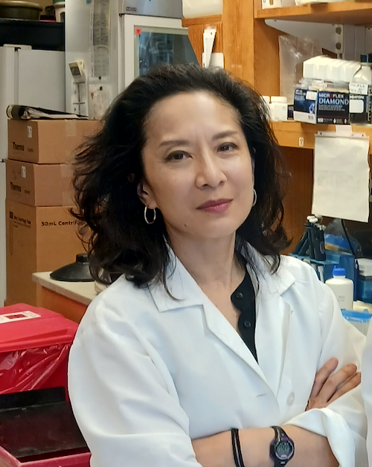
MARGARET CHOU, phd
Associate Professor
Pathology and Laboratory Medicine
Perelman School of Medicine at the University of Pennsylvania
Children’s Hospital of Philadelphia
GRANT AWARDED: Science is the Cure Grant
RESEARCH: Making cold tumors hot: Multi-faceted Immunostimulatory Therapy for Ewing Sarcoma (MITES)
Ewing sarcoma (ES), the second most common bone cancer in children, remains a significant challenge in pediatric oncology. Survival rates for patients with recurrent or metastatic disease have not improved for decades, and no targeted treatments have succeeded for broad clinical use. Immunotherapy has revolutionized cancer treatment in recent years, but it has been poorly explored in the context of ES. Recent studies show that some ES patients exhibit high infiltration of cytotoxic immune cells, and that this is associated with greatly prolonged survival. Yet, the tumor-intrinsic factors that drive this favorable, “hot” immune phenotype spontaneously in some patients is a mystery. Children’ Hospital of Philadelphia’s research has identified such a factor, USP6, which has potent and pleiotropic immunostimulatory effects in jumpstarting the immune system, triggering infiltration of immune cells into the tumor, and stimulating their ability to kill the cancer cells. Concordantly, high USP6 levels are associated with dramatically improved survival in ES patients. These findings will be exploited to develop a novel immunotherapeutic agent to prevent ES recurrence and improve survival.
SCOTT ELTON, PHD – Co-Principal Investigator, Pediatric Neurosurgery, University of North Carolina Hospital
SHAWN HINGTHEN, PHD – Co-Principal Investigator UNC Eshelman School of Pharmacy, University of North Carolina at Chapel Hill
JAMES BAUMGARTNER, MD – Co-Principal Investigator, Pediatric Neurosurgery
GRANT AWARDED: Science is the Cure Grant
RESEARCH: Stem Cell-delivered Particles for Hyperthermia Therapy to Treat Glioblastoma
Glioblastoma (GBM) is the most common primary brain tumor and one of the deadliest forms of cancer1. Median survival is little more than 12 months and has not improved significantly in over three decades. We propose an exciting new approach to GBM therapy that could mean a big leap towards finding a cure: tumor-homing cell-based hyperthermia therapy. We propose an exciting new approach to GBM therapy that could mean a big leap towards finding a cure: tumor-homing cell-based hyperthermia therapy. We hypothesize that engineered metal-loaded iNSC/oscillating magnetic field hyperthermia therapy will achieve GBM-selective homing and therapeutic efficacy that will prevent GBM progression. Across three Aims, we will convert human skin tissues into next-generation tumor-homing neural stem cell drug carriers termed iNSCs. We will load the iNSCs with custom-developed metal nanoparticles and investigate the fate, migration, efficacy of this novel strategy in clinically-relevant preclinical models of GBM. Our rationale is that iNSC drug carriers derived from the patient’s own skin will avoid immune rejection, seek out residual tumor foci that chemotherapy and radiation cannot reach, and effectively eradicate the tumor once a magnetic field is applied to generate heat that will selectively and efficiently induce tumor kill. We propose to test this hypothesis, defining the efficacy of this novel treatment and develop strategies to support translation into human clinical trials. We will investigate particle loading, impacts on iNSC viability, homing, and GBM kill. We will modulate a variety of parameters to optimize the therapeutic strategy, focusing first on the iNSC carrier then on maximizing GBM kill. All testing will be done using our validated nanoparticles, unique ex vivo living tissue brain slice model, and novel surgical resection models of patient-derived CD133+ human GBM cells to maximize the clinical relevancy of our finding and understand the impact of the immune system on iNSC treatment durability. If successful, this transformative platform will advance the field of cell therapy, shift NSC therapy for GBM towards a personalized hyperthermia-based approach and develop a broadly applicable patient-specific cell therapy strategy that could shape the future of clinical GBM therapy.
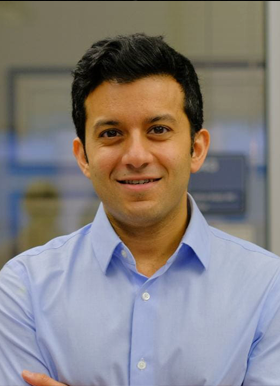 nathan Singh, MD, Phd
Associate Professor, Division of Oncology
Washington University School of Medicine in St. Louis
GRANT AWARDED: Science is the Cure Grant
RESEARCH: Defining the epigenetic and transcriptional signatures of chimeric antigen receptor T cell dysfunction
Chimeric antigen receptors (CARs) are engineered proteins that re-direct a patient’s immune system to target their cancer. T cells, the “killers” of the immune system, that are engineered to express CARs have demonstrated unprecedented results in the treatment of pediatric acute lymphoblastic leukemia, with ~9/10 patients becoming disease-free after treatment. Despite these exciting initial results, follow-up now shows that only half of patients treated will remain disease-free long-term. These clinical failures often result from failed T cell activity against leukemia cells. Washington University School of Medicine has recently identified that prolonged interaction between CAR T cells and leukemia cells can lead to T cell failure, however the biology responsible for this remains unclear. This research aims to identify the ways in which CARs promote T cell failure. Understanding this process will reveal strategies to engineer CAR T cells that are resistant to failure, resulting in more durable responses.
OUR 2025 EMERGING SCIENTIST RECIPIENTS
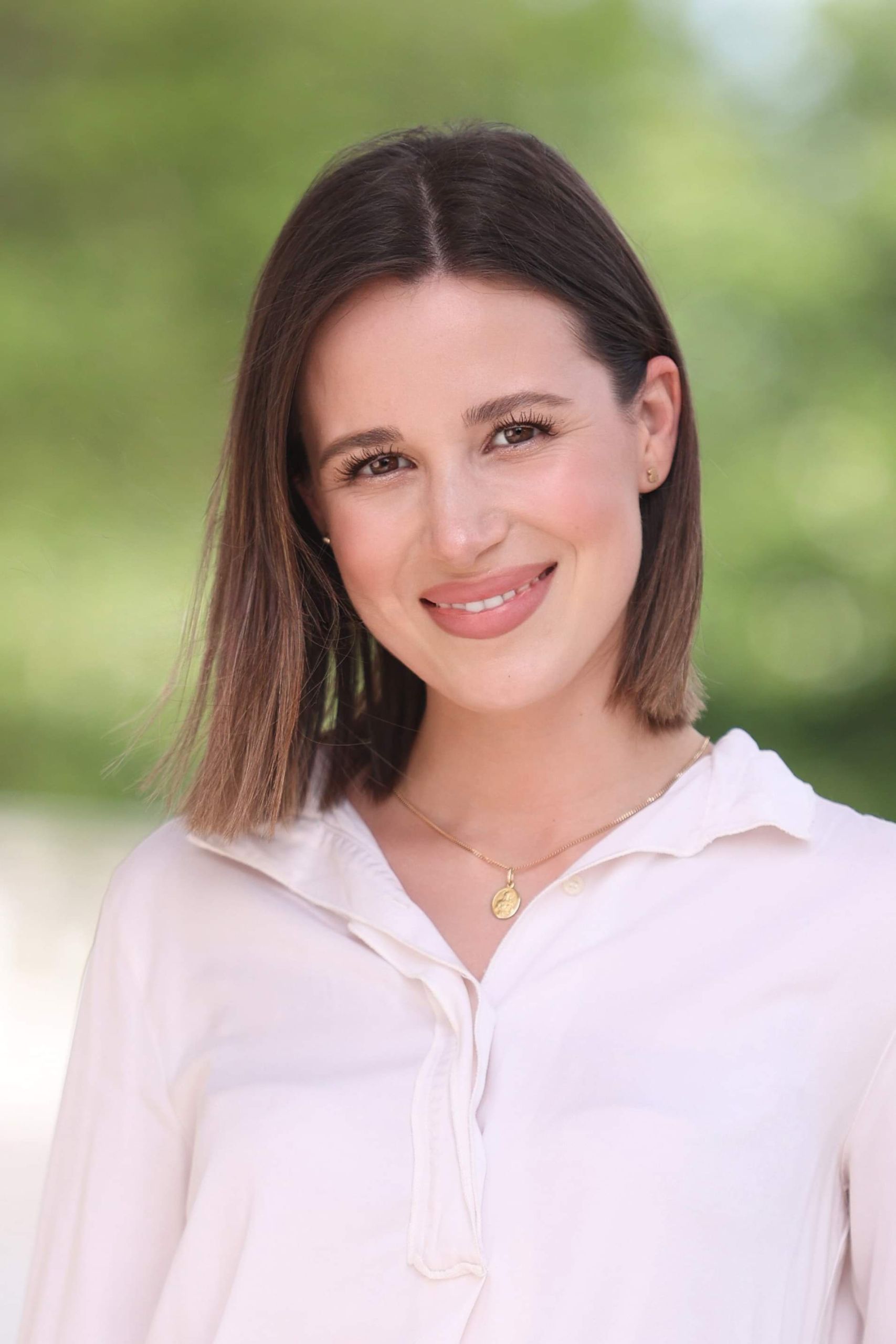
Martha Glowczyk
PhD Candidate
University of Virginia School of Medicine
Grant Year: 2025
RESEARCH: Targeting AVIL in Rhabdomyosarcoma
Rhabdomyosarcoma is one of the most common childhood soft tissue cancers, yet treatment options haven’t significantly improved in decades. Martha Glowczyk is researching a cancer-driving protein called AVIL that is found in rhabdomyosarcoma, but is absent in healthy cells. To exploit this, a new drug was developed to disable the protein, showing a remarkable ability to kill cancer cells in the lab while leaving healthy ones untouched.
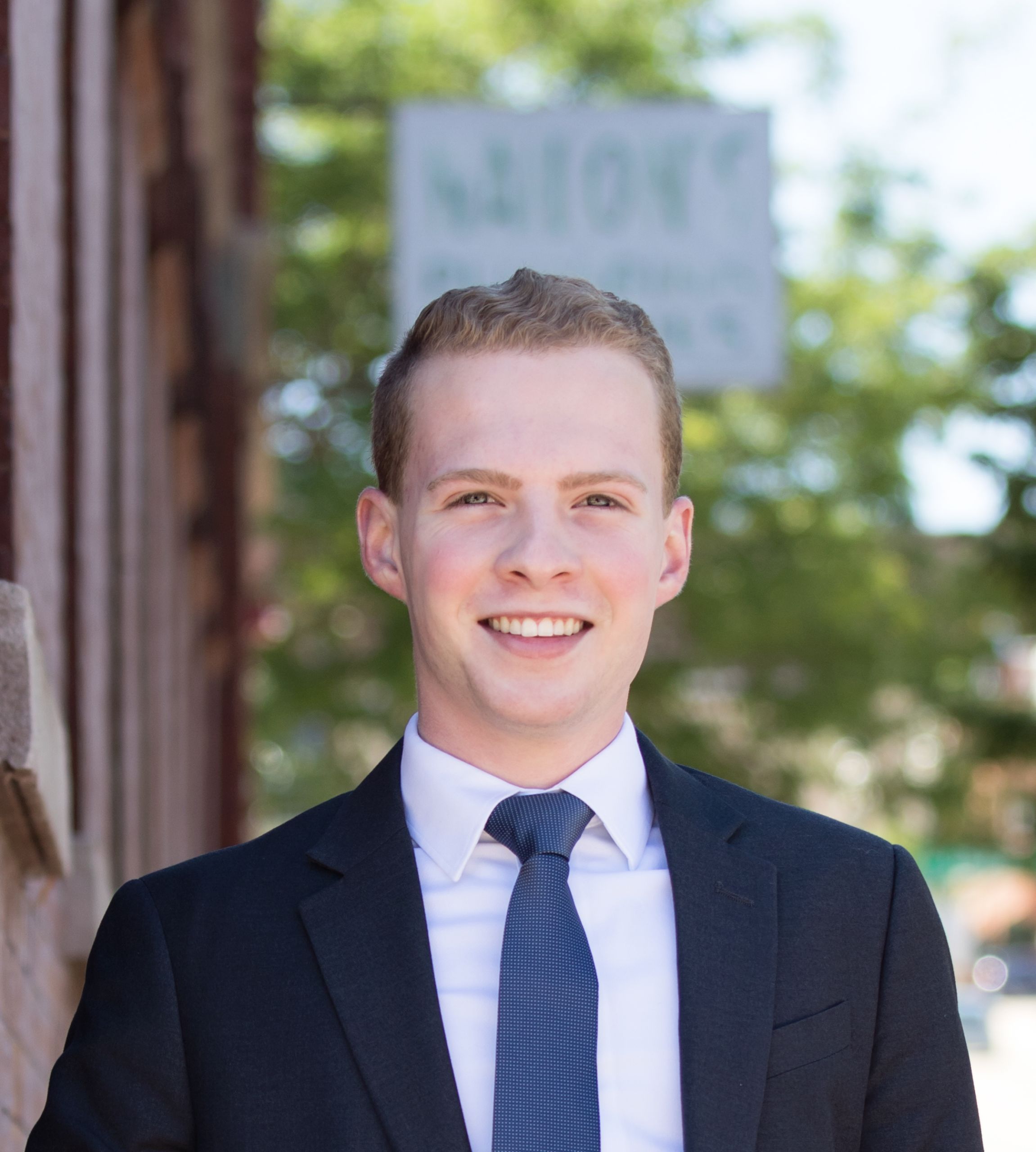 Evan Dray
MD/PhD Candidate
University of Wisconsin-Madison
Grant Year: 2025
RESEARCH: CAR-T for neuroblastoma
** 2025 Promising Scientist Grant Recipient **
Neuroblastoma is an aggressive childhood cancer that frequently returns after initial treatment. While a breakthrough treatment called CAR-T cell therapy uses a patient’s own immune system to attack the tumor, current versions often trigger dangerous side effects. To address this, Evan Dray is researching a new version of these “living drugs” using a unique signaling component called DAP12. This improved design not only kills cancer cells more effectively but also stays active longer without wearing out, offering a potentially safer and more powerful therapy.
K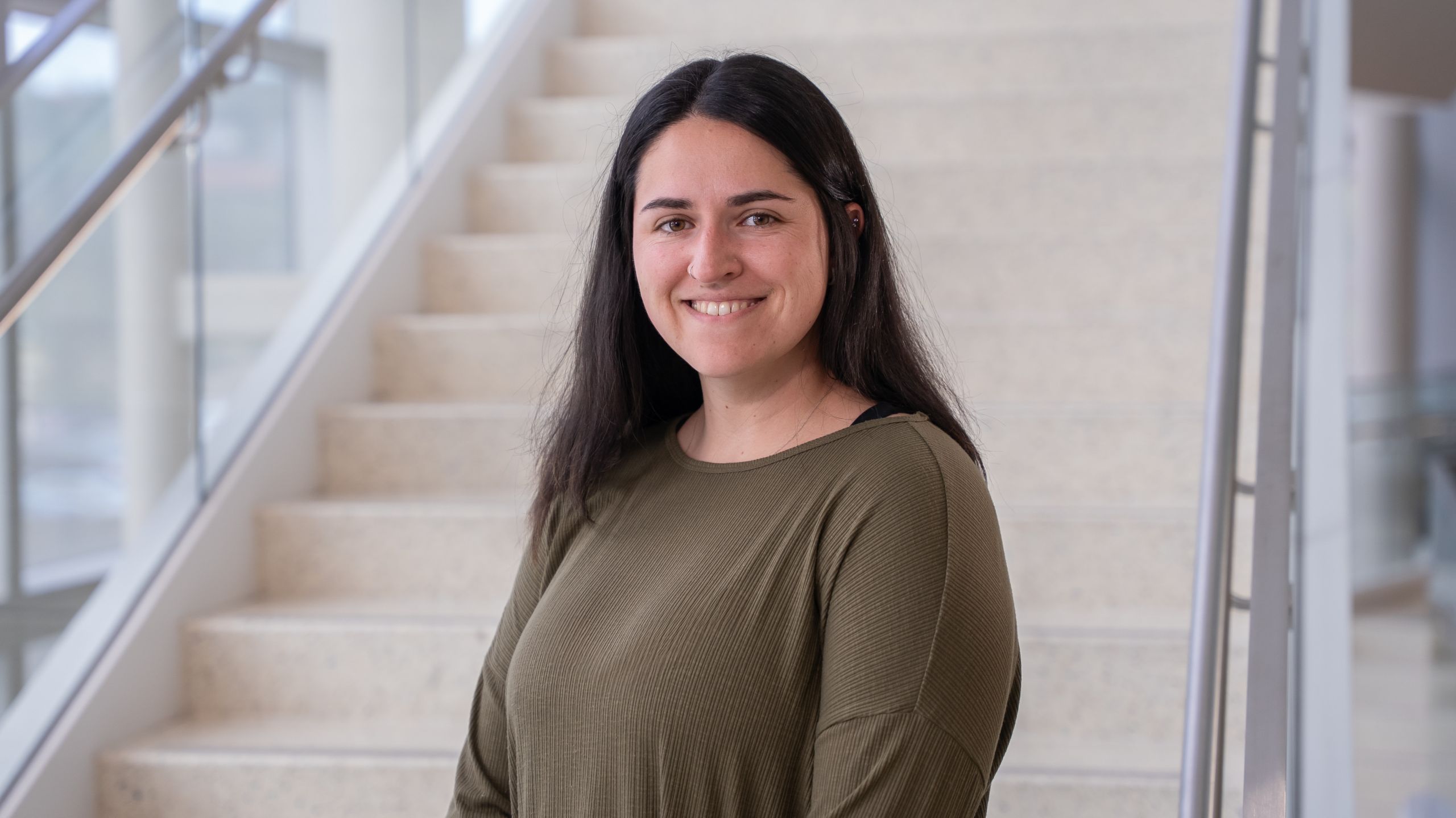 elsey Wagner
PhD Candidate
University of Massachusetts Medical School
Grant Year: 2025
RESEARCH: BTG2 Targets in Leukemia
T-cell acute lymphoblastic leukemia often has “sleeper” cancer cells that often hide from chemotherapy, only to wake up later and cause a relapse. Kelsey Wagner is researching a protein called BTG2 that acts as a natural brake, keeping these leukemia cells in a state of hibernation so they cannot grow or spread. When levels of this protein drop, the cancer cells lose their off-switch, allowing them to multiply rapidly and resist standard treatments. The grant aims to map out the exact genetic messages this protein controls, providing a roadmap for new therapies.
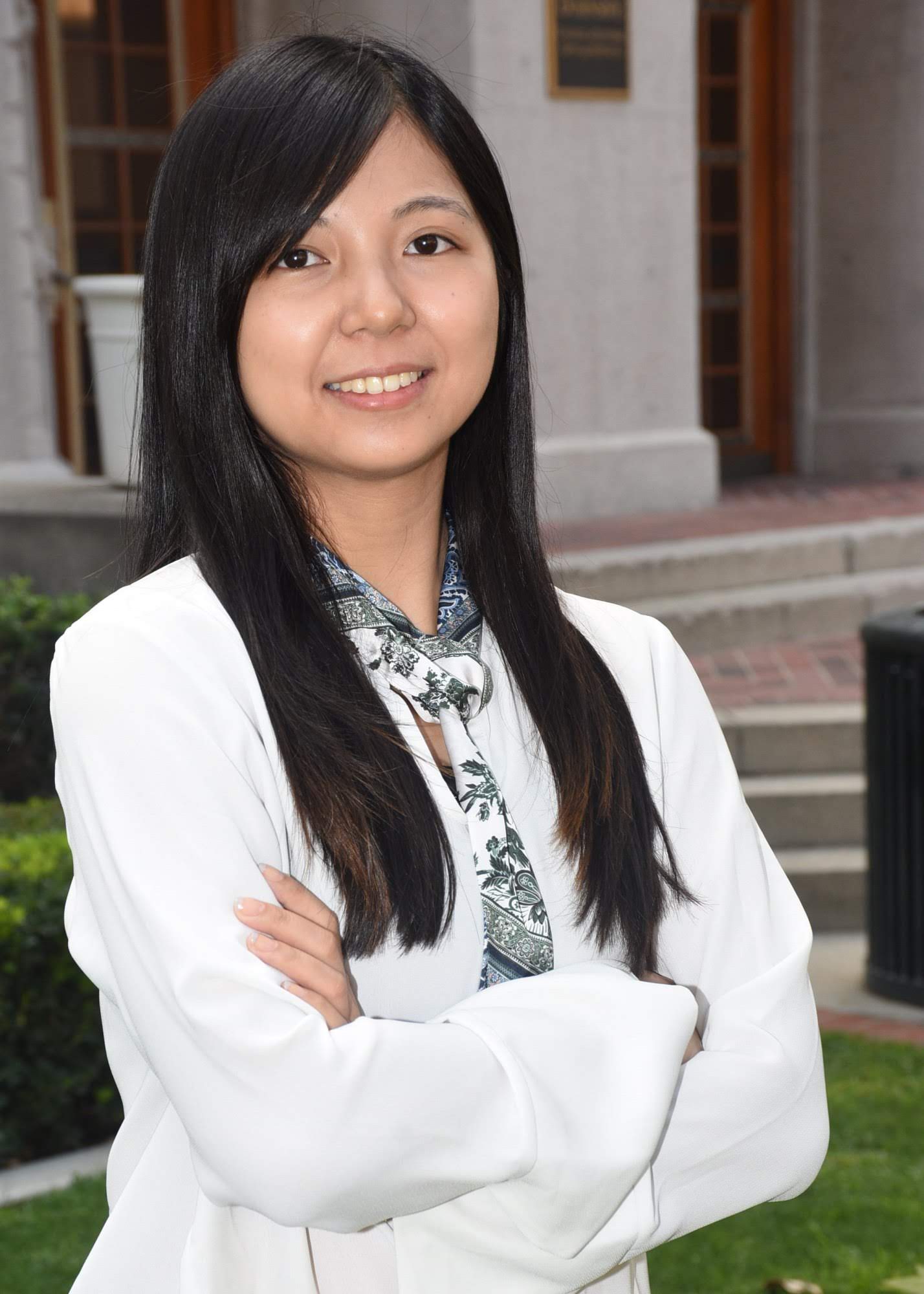 Ching-Ju Hsu
PhD Candidate
Baylor College of Medicine
Grant Year: 2025
RESEARCH: Congenital Anomalies in Leukemia
Being born with a birth defect is one of the strongest predictors of childhood cancer, yet many high-risk patterns still fly under the medical radar. To bridge this gap, Ching-Ju Hsu is deploying machine learning and AI to analyze a massive database of 22 million children, hunting for complex combinations of birth defects. This data-driven approach aims to uncover hidden risk signatures that signal an increased chance of developing acute lymphoblastic leukemia, the most common cancer in kids. By cracking the code on these patterns, doctors can design smarter, personalized screening strategies to catch cancer earlier.
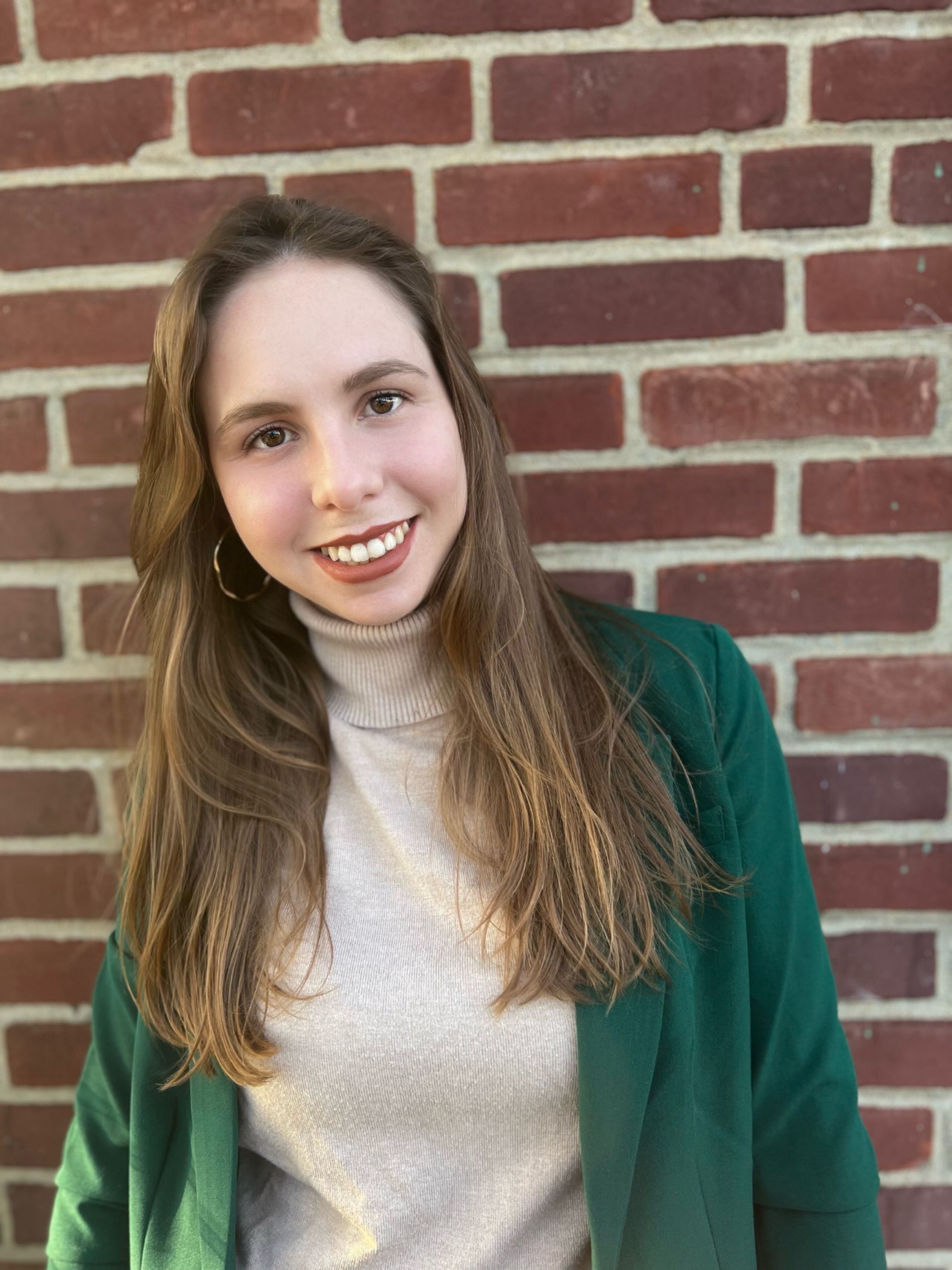 Elizabeth Gonzalez
MD/PhD Candidate
University of Wisconsin-Madison
Grant Year: 2025
RESEARCH: Germline Variants in Neuroblastoma
Neuroblastoma is an aggressive childhood cancer often driven by specific genetic mutations. However, new research has found that certain genetic markers that can lead to neuroblastoma are found in parts of our genome that actually do not produce any proteins. Elizabeth’s research focuses on these rare “typos” in the non-coding regions that act like a broken volume knob, silencing the very genes that are normally responsible for repairing damaged DNA. Elizabeth is uncovering how these tiny glitches weaken the body’s natural defenses and allow tumors to take hold. Cracking this hidden genetic code could finally allow doctors to predict a child’s risk more accurately and develop smarter treatments that target the cancer’s specific vulnerabilities.